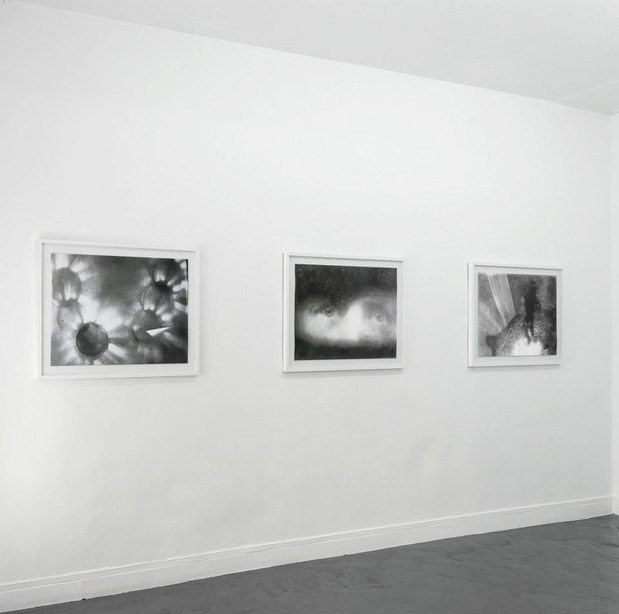
CAPTURING THOUGHTS WHILE RESTING (2025 – 2026)
I was interested in ideas around ‘interiority’, and had created a number of photographic series that involved time exposures of myself meditating on a wall, on an ikebana arrangement, on artworks in the gallery vault etc. Although it is clear from the photographs of these performative pieces, that my mind is focused upon something in front of me it does nothing to reveal the inner workings of my mind.
Wanting to further explore this idea, I remembered that photographers in the early 19c, when photography was in it’s infancy, believed they could photograph and record thoughts by placing film directly against the head. It was argued that energy from the mind could expose the film thus documenting actual ‘thoughts’. Although this was soon disputed and we now know to be impossible, at the time, given the inventions of the X-ray, telegraphs, and so forth it did not seem surprising that invisible energy could in some way be recorded. (I have written a little more about this history at the bottom of this page.)
Building on this history I decided to create, Capturing Thoughts While Resting.
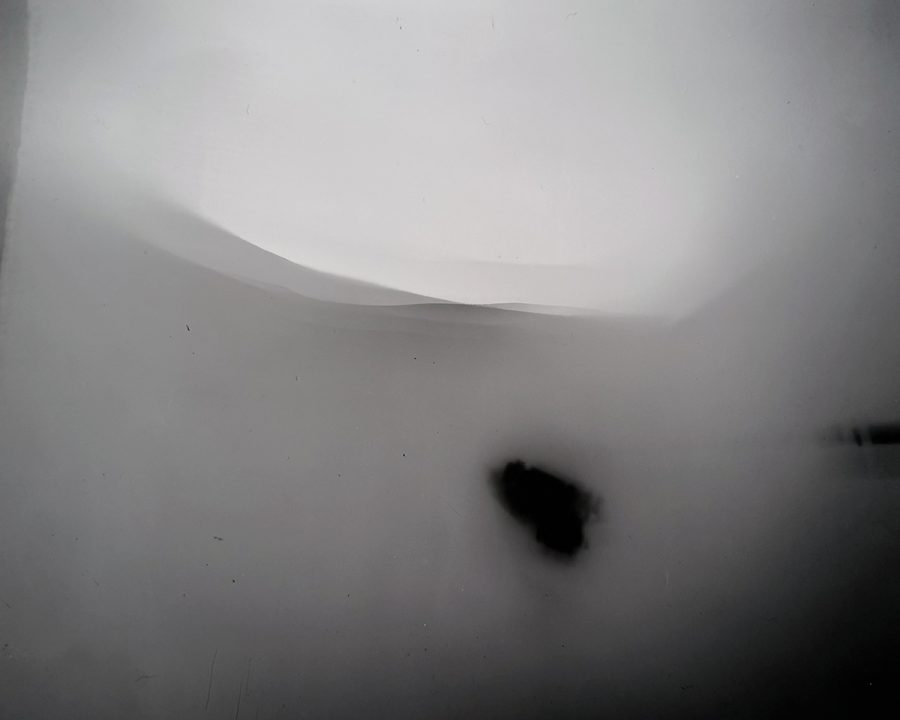
I proceeded by placing an 8” X 10” piece of photographic film into an empty film box in the darkroom. The film box is really only partially light proof. That is to say I knew that there was the possibility for light leaks that would expose the film.
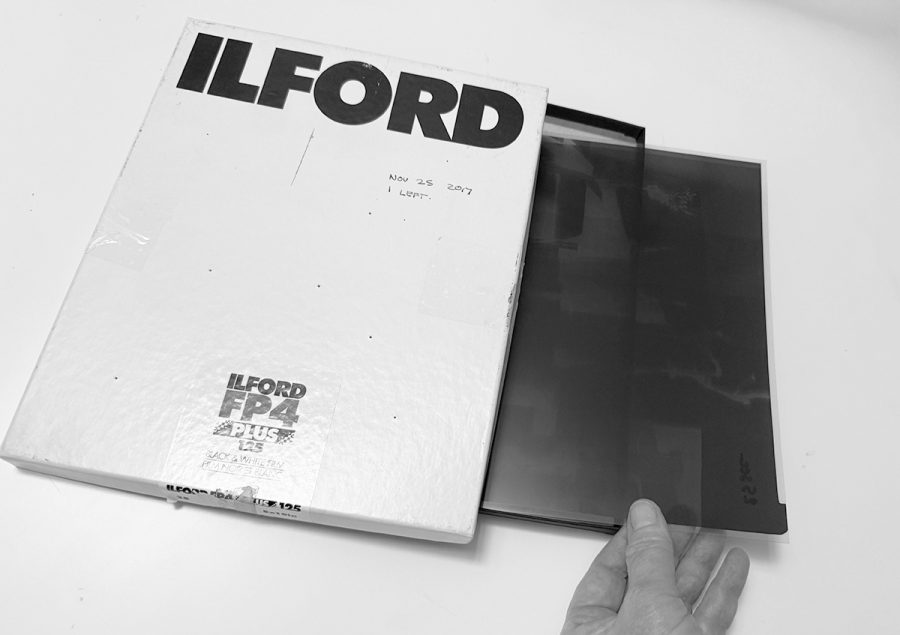
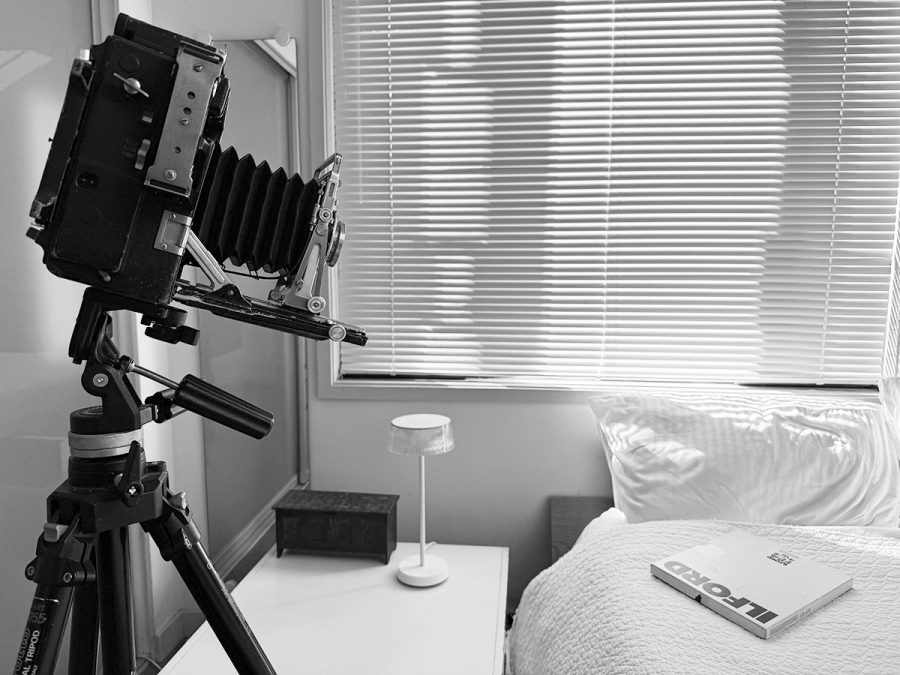
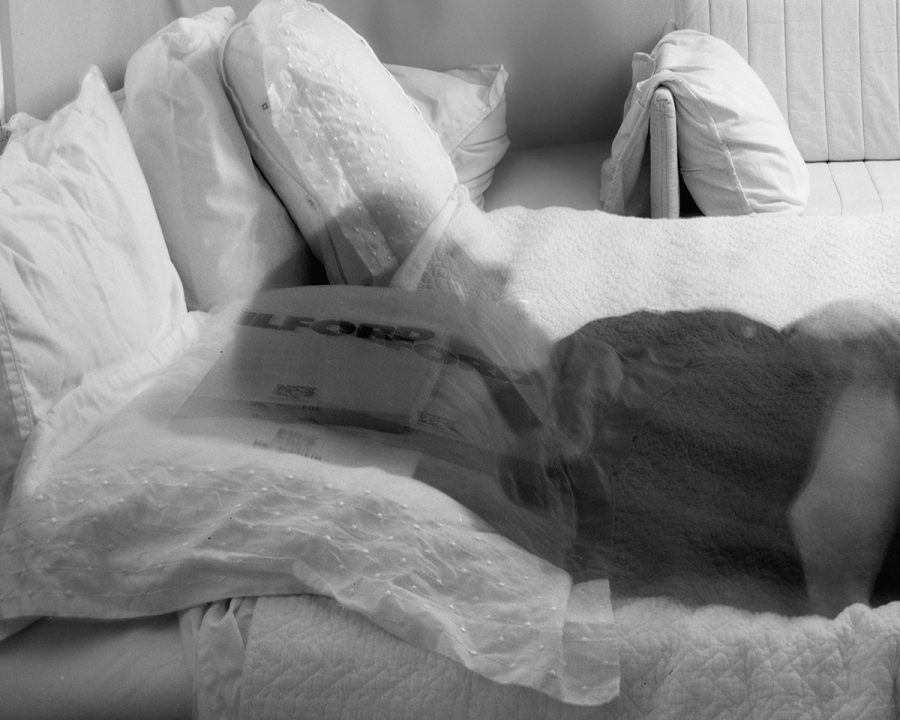
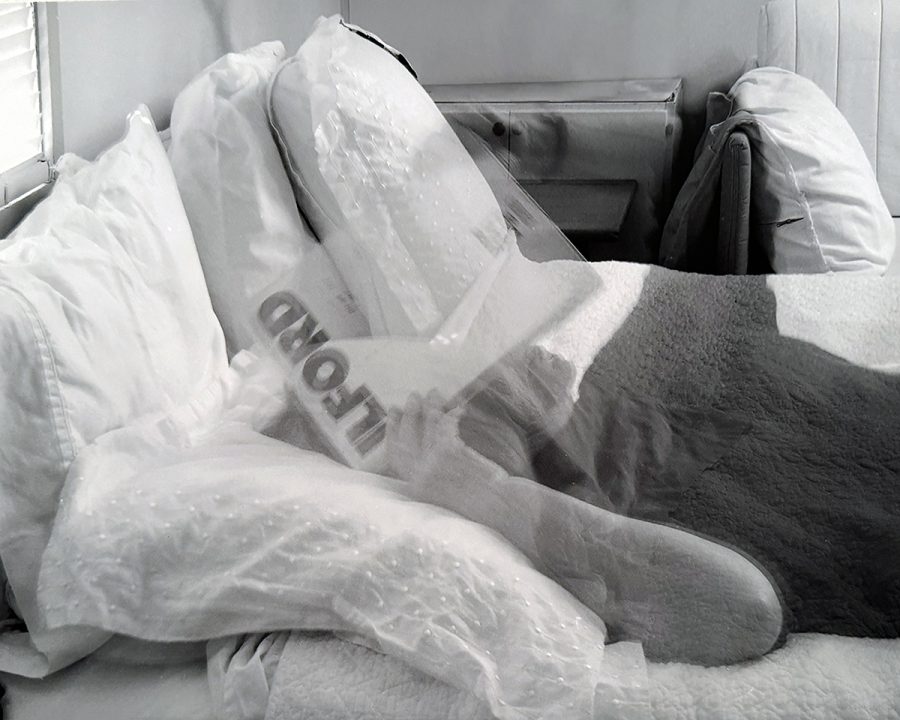
I then focused my large format camera towards my bed and opened the shutter. While the camera documented me lying on my bed I put the box containing the large sheet of film under my head. As thoughts arose in my mind I would focus on one in particular for 5 minutes.
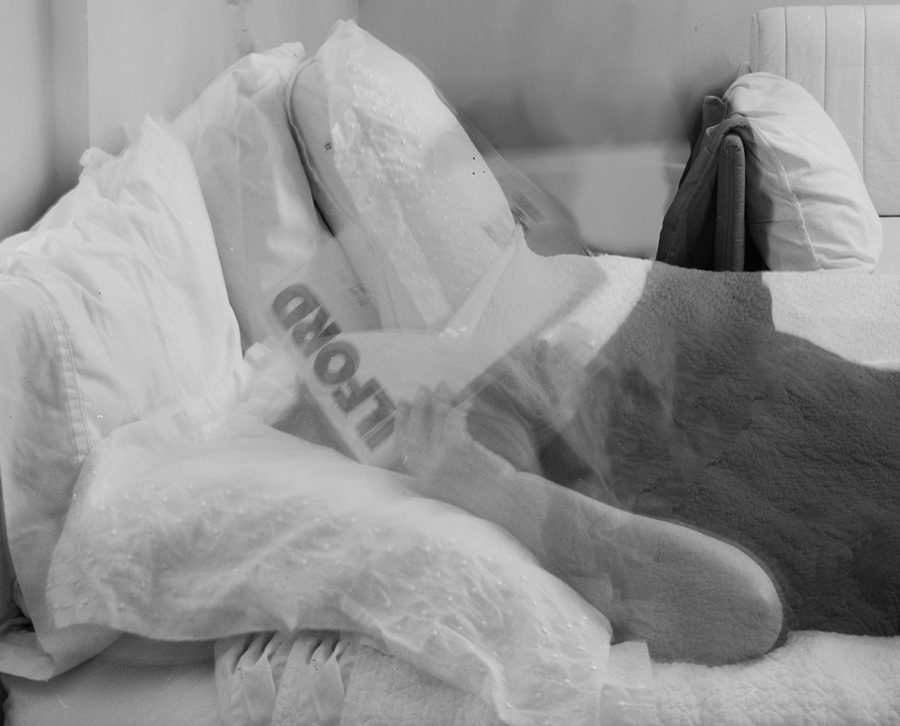
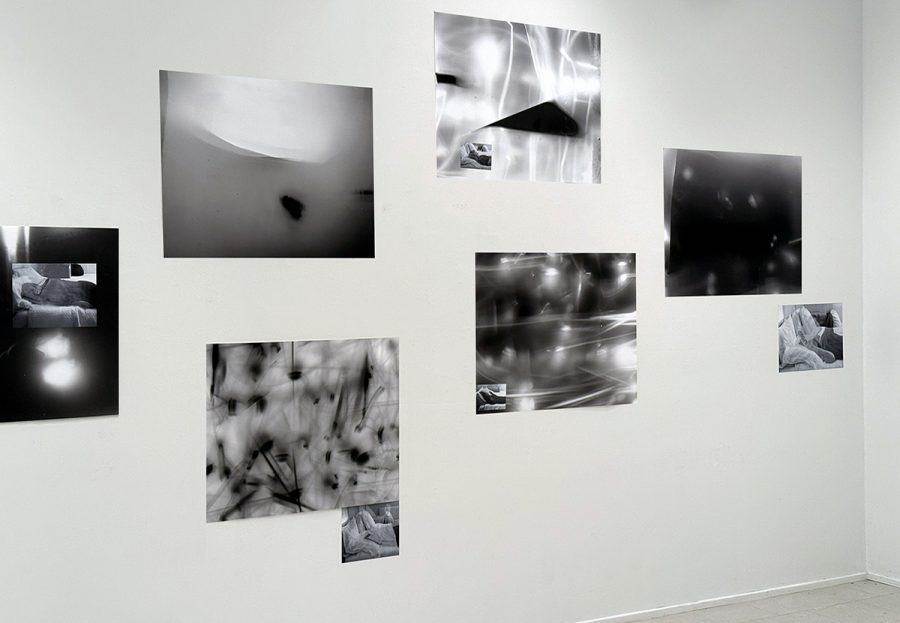
I then developed both the 4” X 5” film which documented my 5-minute ‘rest’ along with the 8” X 10” piece of film that was inside the film box. The resultant images; the 5-minute time exposure of me ‘resting’ and the abstract images from the film box are exhibited together along with the text of the subject I was contemplating while I rested. I invite the viewer to consider the thought caption as described in the text in relation to the abstract photographic print.
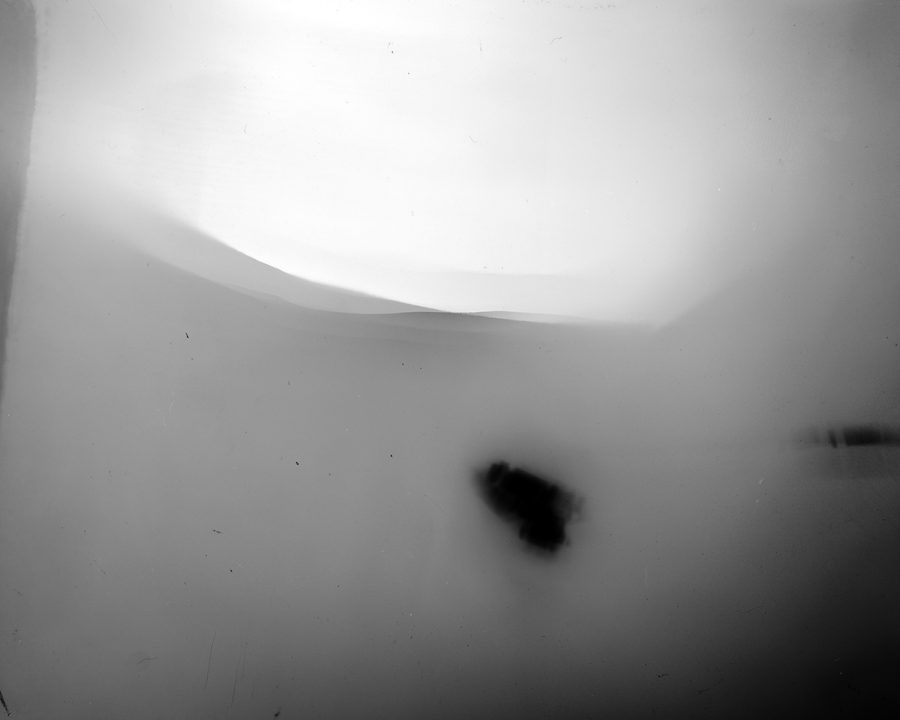
Thought: I had a dream about a Ferry and then long drive to meet artists and curators. There were two beautifully decorated cakes.
________________________________________________________________________________________________________________________________________
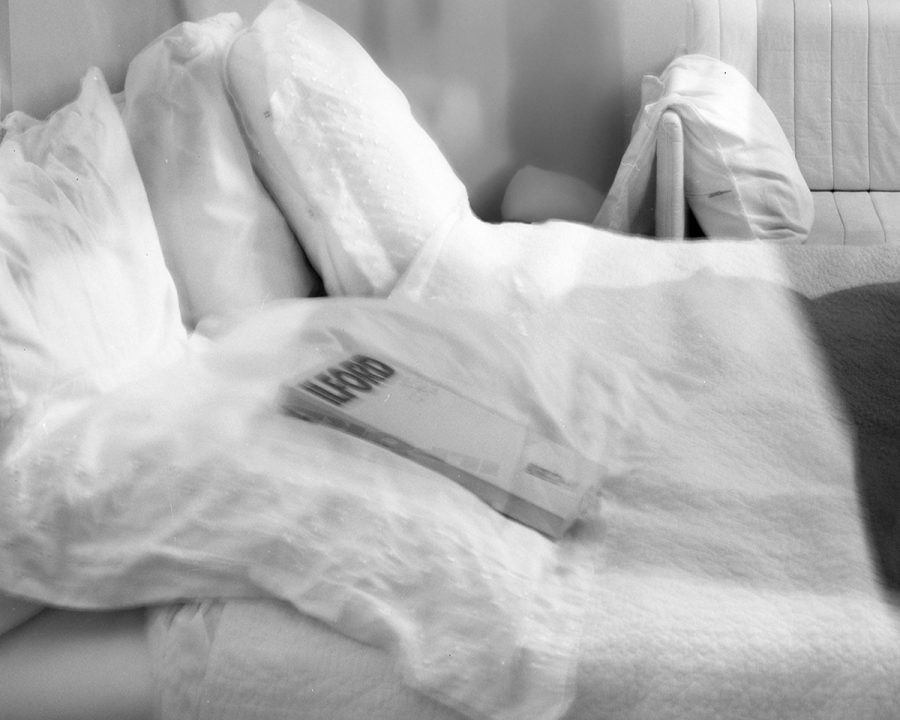
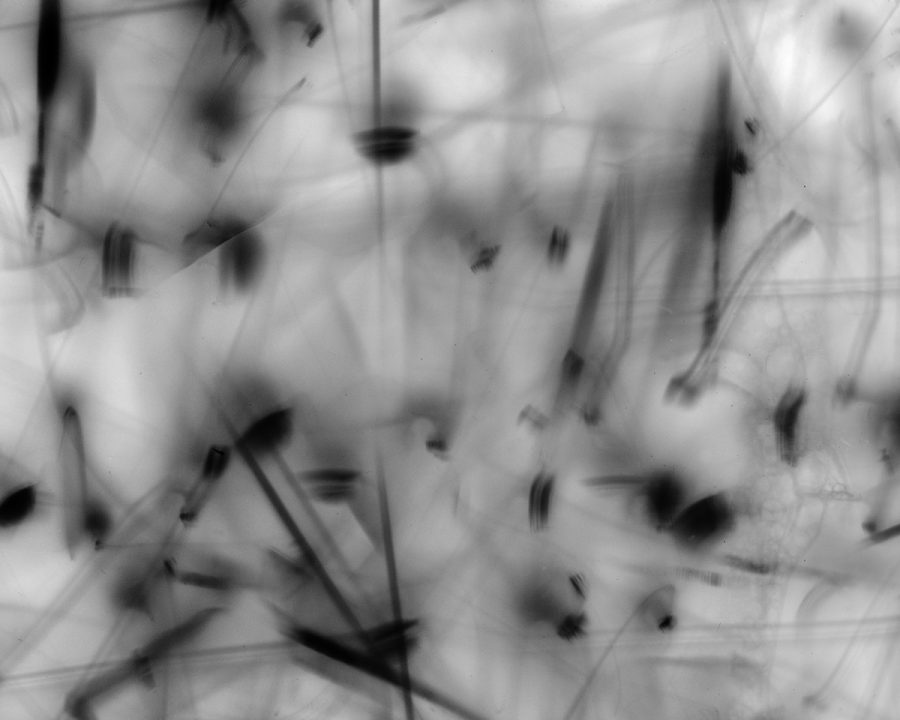
Thought: She created her monumental sculptures in Styrofroam that were later cast in bronze. She died of styrene poisoning
________________________________________________________________________________________________________________________________________
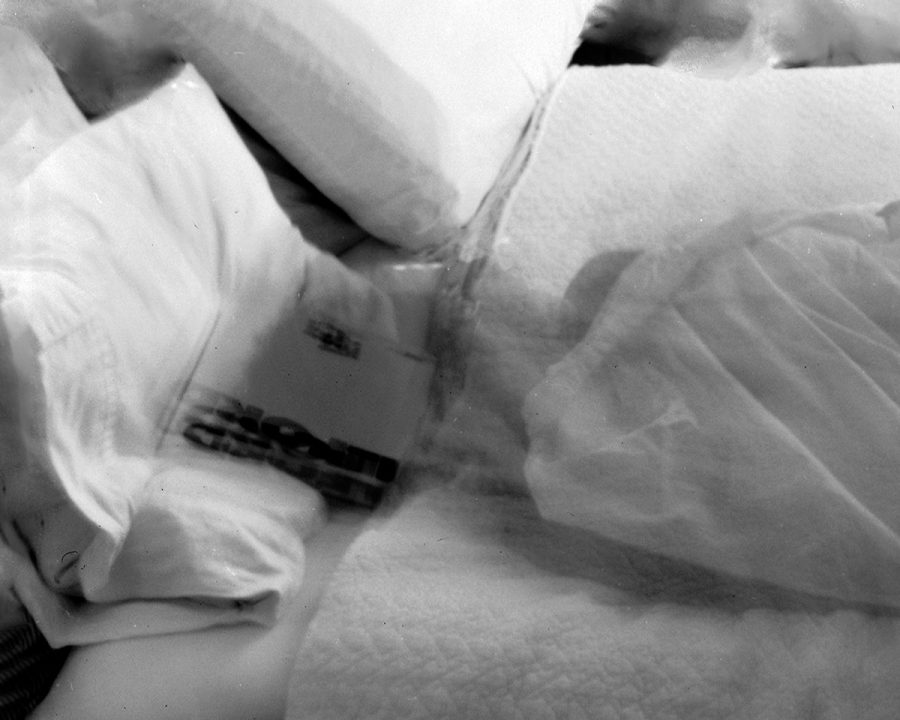
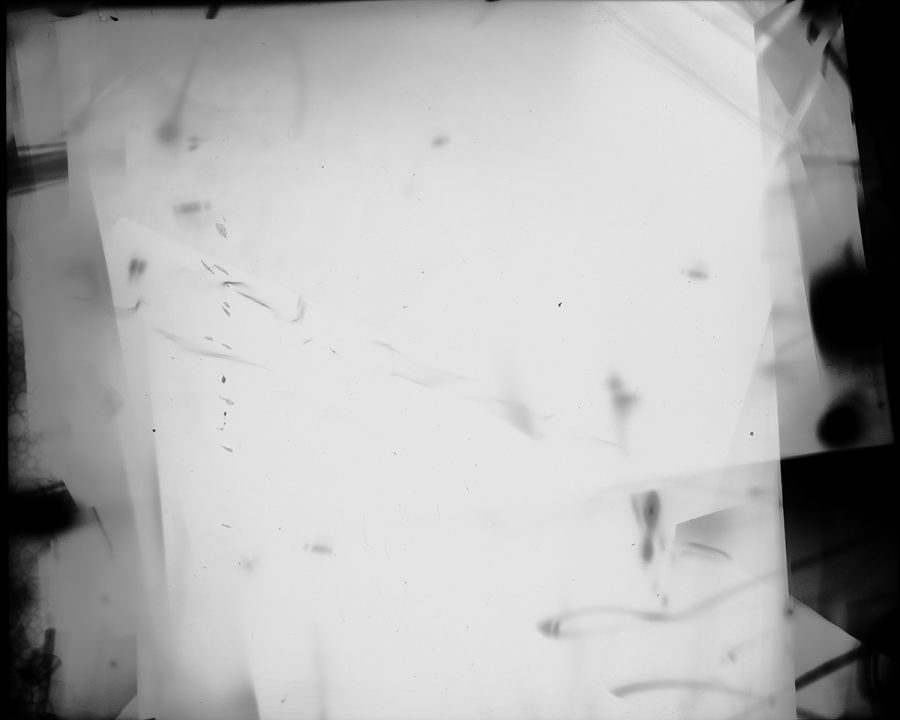
Thought: The colour of the Oriental poppy Papever Orientale.
____________________________________________________________________________________________________________________________________
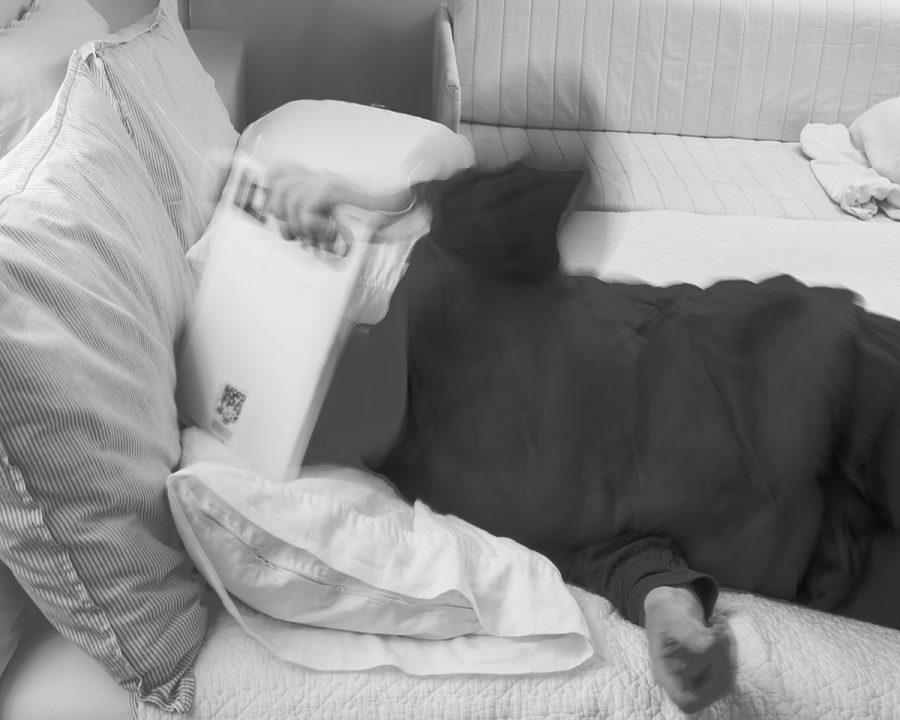
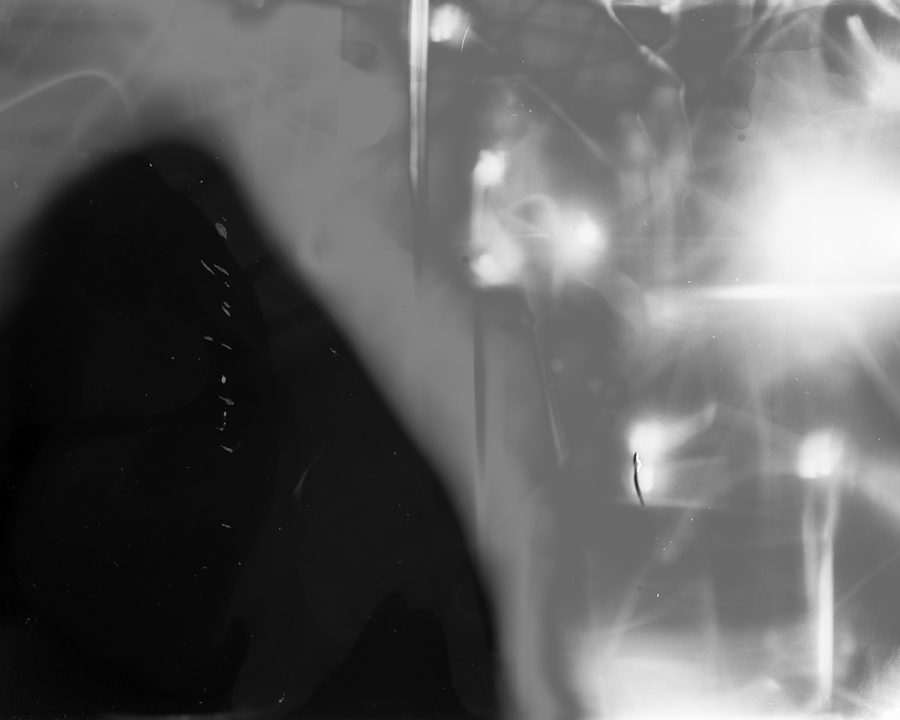
Thought: On the back of her canvas, written in pencil, was ‘Crystal Ash’, I wonder why I didn’t see more of Auntie Sylvia during the last years of her life?
____________________________________________________________________________________________________________________________________
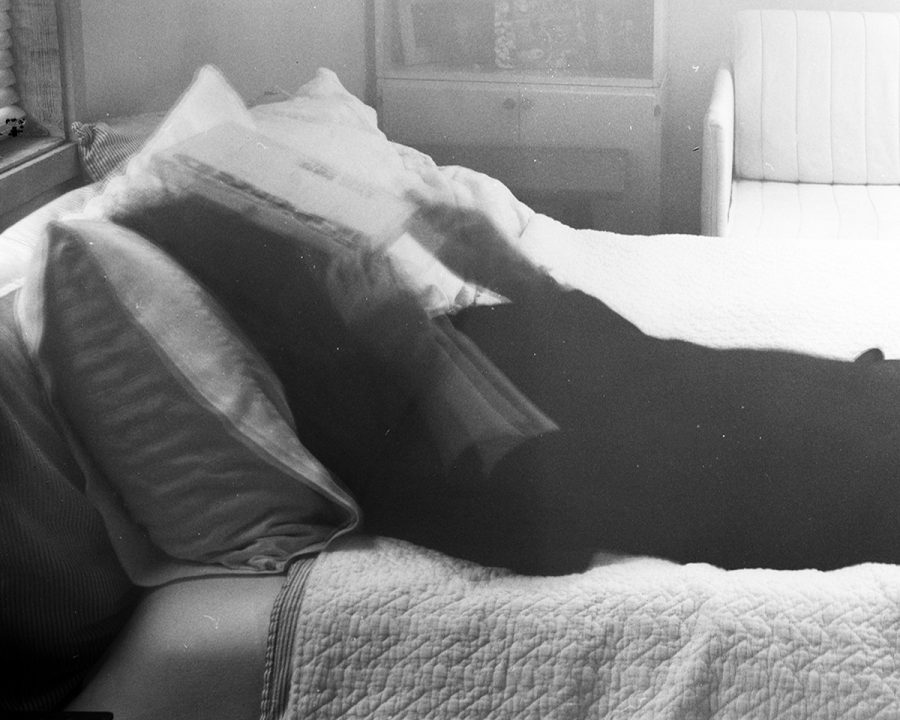
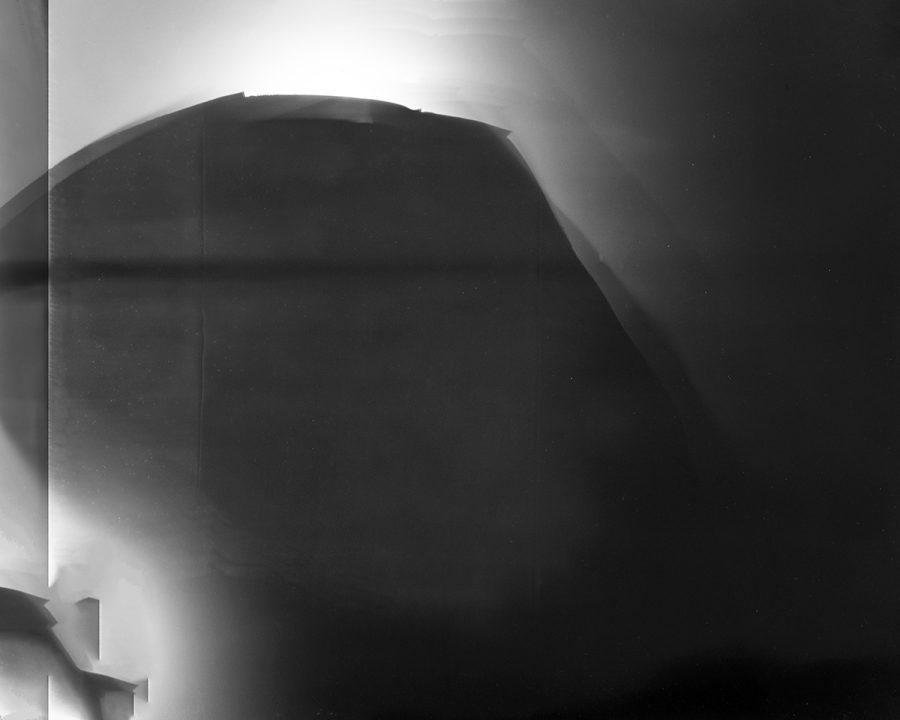
Thought: In the recording, his voice hauntingly familiar but now quiet and weak is describing a grassy hollow near his home where the deer lie down and wait to die.
_____________________________________________________________________________________________________________________________________
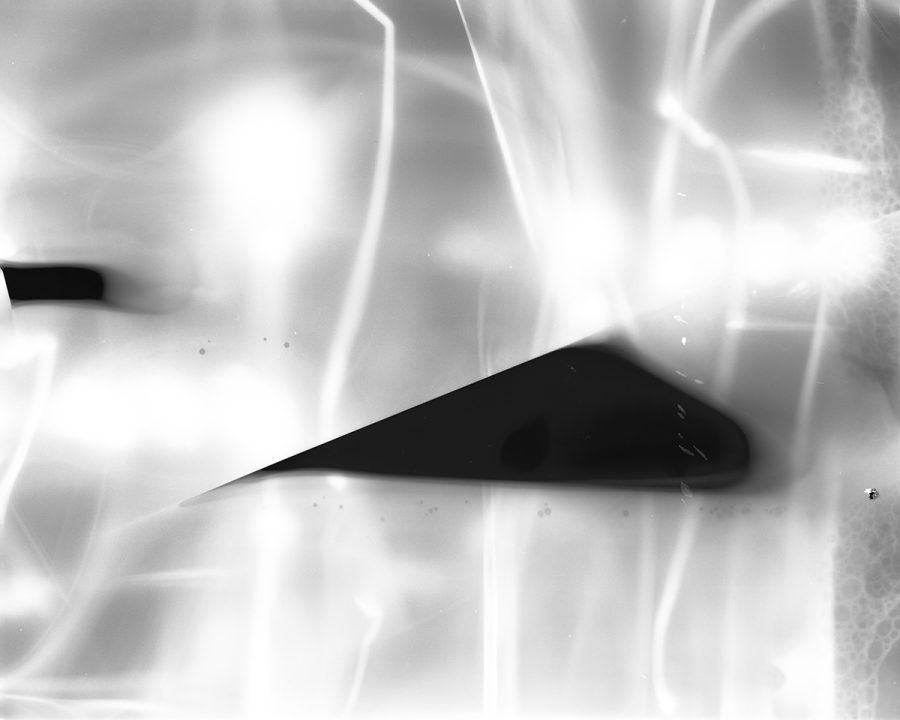
Thought: He said “Yes, regarding that incident at the gallery a few years back… The Chair and a couple of us discussed it over a beer and we all agreed, you know, that you were right but you were wrong. You know what I mean you were right but… I mean at the same time you were wrong.
______________________________________________________________________________________________________________________________________
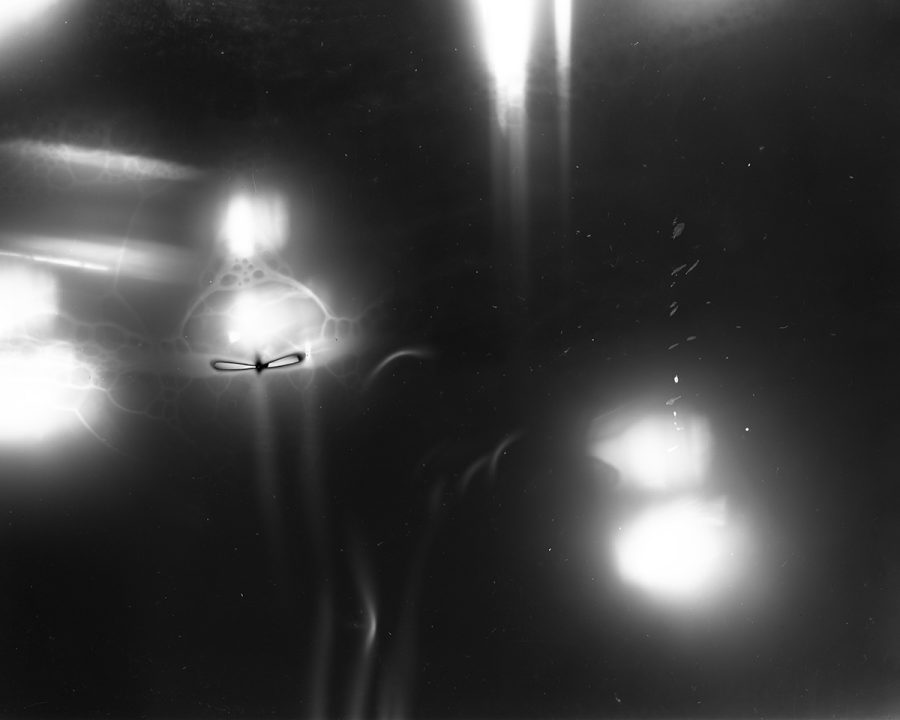
Thought: Small, darkly coloured, murky photographs of the night sky. It must have been twenty or more years ago that I saw them and I cannot even remember the exhibition or where it was.
______________________________________________________________________________________________________________________________________
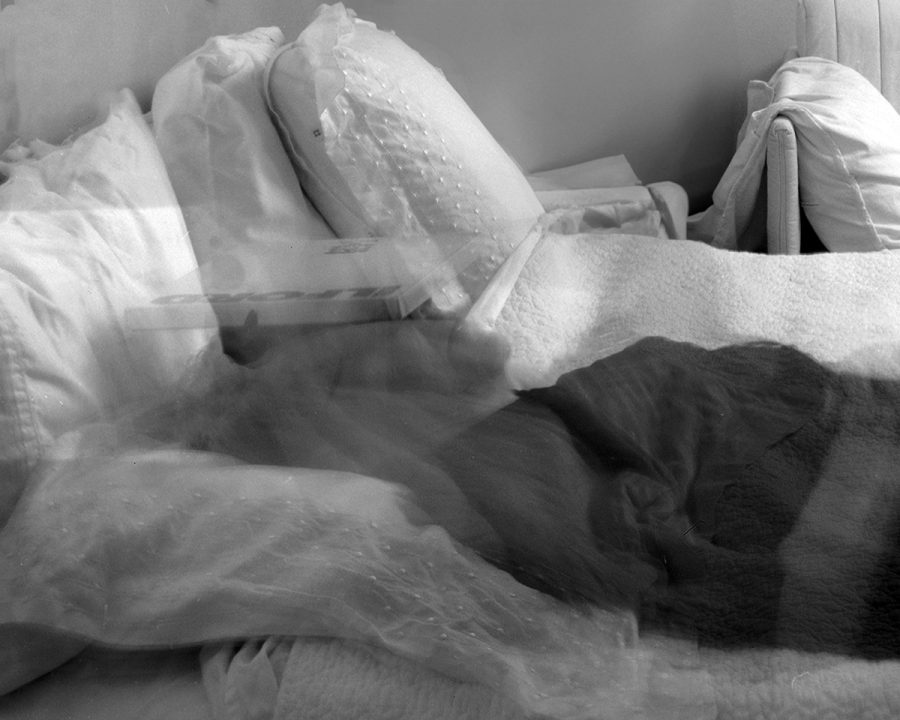
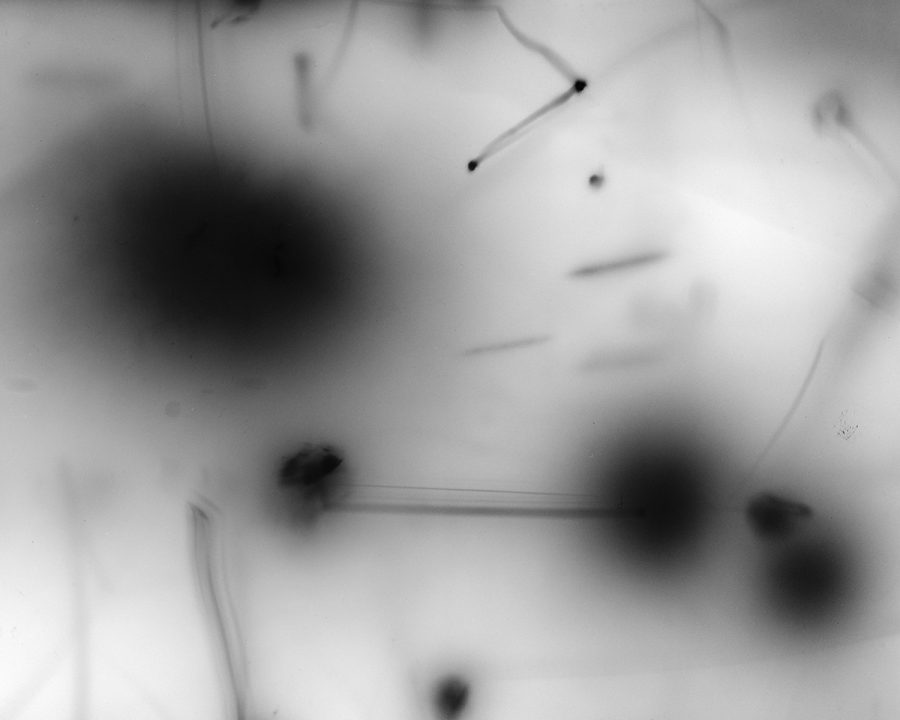
Thought: She should apologize, we should apologize. Maybe I should have apologized.
______________________________________________________________________________________________________________________________________
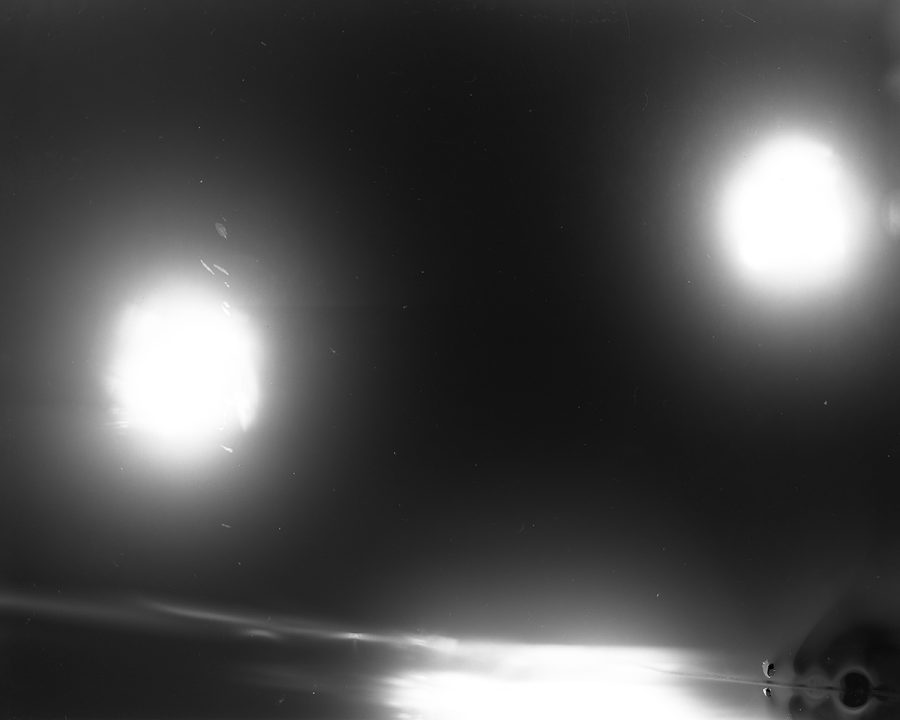
Thought: Elyse is holding two large tree fungi to the sides of her head. They look like large ears and it seems as if she is trying to hear something in the forest that perhaps her own ears are incapable of hearing.
_______________________________________________________________________________________________________________________________________
In the practice of meditation one trains in awareness of thoughts that arise in the mind. These thoughts cannot be seen nor can they be documented.
However, in the early 1900 when photography was in its infancy, people were experimenting with just this; the use pf photographic means to document the workings of the mind. The question of representing the invisible… the idea that the camera could capture the non-visible seemed plausible. After all, photography represented reality and its documentary indexical nature led naturally to its possibilities outside the empirical, and the idea of capturing thoughts with the help of this mechanical apparatus became of interest.
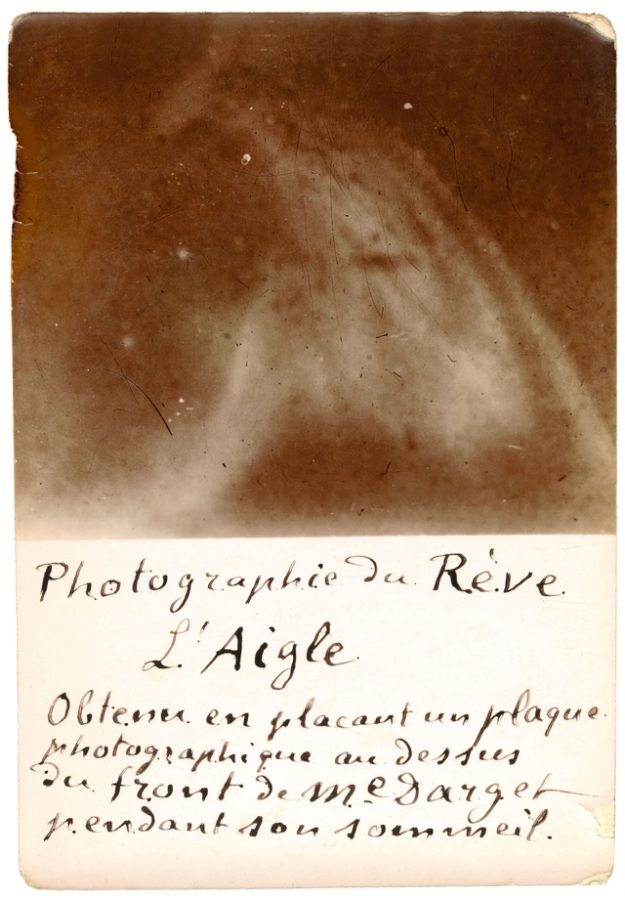
In 1911, James Coates wrote; To say that the invisible cannot be photographed, even on the material plane, would be to confess ignorance of facts which are commonplace – as, for instance, the mention the application of X-ray photography to the exploration of the muscles, of fractures of bone, and the internal organs. Astronomical photography affords innumerable illustrations of photographing the invisible. In the foregoing, and analogous cases, the photographing is that of material, though invisible objects. And, in 1911 Louis Darget wrote, When the human soul produces a thought it sends vibrations through the brain, the phosphorous it contains starts radiating, and the rays are projected out. Darget believed that he could photograph the inner workings of the mind and in one of his famous experiments he asked his wife to hold a photographic plate about an inch in front of her face in the darkness. When the blurry image was developed, he wrote Dream Photography; The Eagle. With this image he was convinced that he had successfully captured a photograph of thought projected from her brain. In a letter to the French Academy of Sciences in 1904 he claimed that his photographic method could reveal the inner working of the mind.
Madge Donohoe, an Australian journalist of the 1930s made an album of what she called “photographs of thoughts”. The images were produced by holding the photographic plate next to her face or head.